The Importance of Interoperability in Healthcare
What Interoperability Means in a Clinical Setting Interoperability describes the ability of different health information systems to exchange, interpret, and…

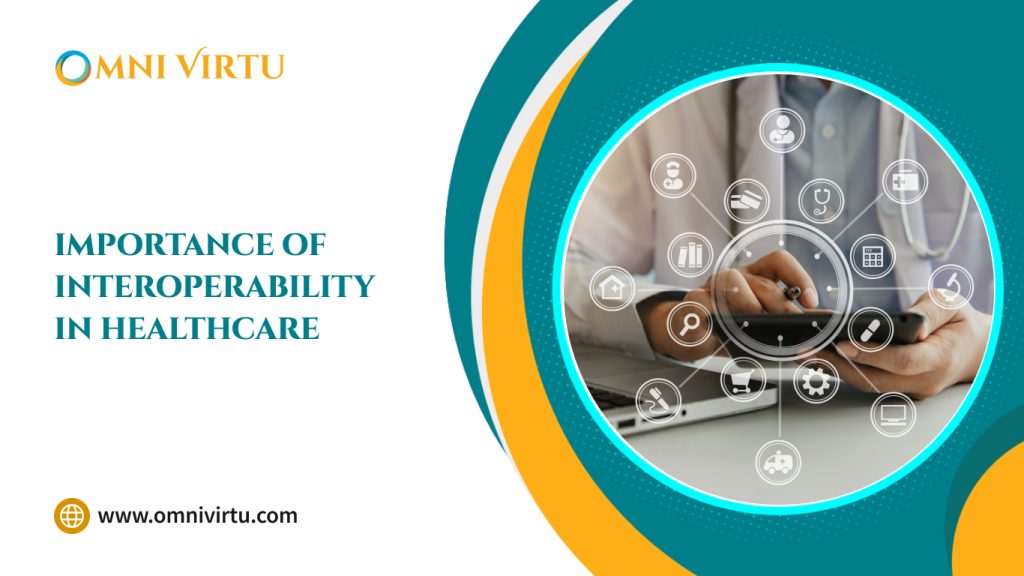
What Interoperability Means in a Clinical Setting Interoperability describes the ability of different health information systems to exchange, interpret, and…
Duplicate medical records represent one of the most persistent data quality problems facing hospitals and clinics today. A single patient…
A Master Patient Index, commonly shortened to MPI, serves as the backbone for matching patient identities across every system a…
Healthcare data exchange has changed dramatically over the past decade, and Fast Healthcare Interoperability Resources, known widely as FHIR, sits…
Healthcare organizations collect massive amounts of information every day. Electronic health records, diagnostic imaging, laboratory results, patient monitoring systems, insurance…
Healthcare systems today operate in a highly digitized environment where patient care depends on uninterrupted access to secure digital infrastructure.…
Artificial intelligence has become a major part of modern healthcare systems, changing how doctors diagnose diseases, predict risks, and plan…
Healthcare systems today generate massive volumes of sensitive and complex medical data every second. This includes electronic health records, diagnostic…

Clinical research is entering a stage where physical experimentation and computational modeling operate together. Digital twins in clinical trials represent…

Healthcare systems worldwide are under continuous financial pressure due to rising treatment costs, growing patient demand, and complex administrative structures.…