Healthcare systems operate in environments where complexity, urgency, and uncertainty are present at every level of care delivery. Patients arrive with unpredictable conditions, clinical decisions often need to be made quickly, and multiple teams coordinate simultaneously across departments. In such conditions, even small process failures can lead to serious consequences. High Reliability Organization principles offer a structured framework for building safer, more consistent, and more resilient healthcare systems.
Healthcare systems operate in environments where complexity, urgency, and uncertainty are present at every level of care delivery, with support from high-reliability organization consulting providers helping institutions strengthen structured safety transformation programs. Patients arrive with unpredictable conditions, clinical decisions often need to be made quickly, and multiple teams coordinate simultaneously across departments.
High Reliability Organizations are systems that consistently perform at a high level of safety despite operating in high-risk environments. In healthcare, this means reducing preventable harm, improving patient safety outcomes, and strengthening coordination between clinical and operational teams. Implementing High Reliability Organization principles in healthcare is not limited to introducing new policies. It requires a deep transformation of culture, behavior, leadership practices, communication systems, and decision-making processes.
This guide explains how to implement HRO principles in healthcare using a structured approach supported by real-world application methods, safety culture strategies, and operational best practices designed for hospitals, clinics, and integrated care systems.
Understanding High Reliability Organization Principles in Healthcare
What Defines a High Reliability Organization in Healthcare
High Reliability Organization healthcare systems are designed to minimize errors through proactive risk identification and continuous system awareness. Instead of reacting to failures after they occur, these organizations anticipate risks and address them before they escalate into harm.
The concept of HRO principles in healthcare is built on five core behavioral standards that guide decision-making, communication, and clinical practice across all levels of the organization.
Five Core HRO Principles Explained
Sensitivity to Operations in Clinical Environments
Sensitivity to operations refers to maintaining awareness of what is happening in real time within clinical settings. Healthcare professionals continuously monitor patient conditions, workflow pressures, staffing levels, and equipment availability. This real-time awareness improves patient safety by allowing early detection of risk signals.
Reluctance to Simplify Clinical Problems
Reluctance to simplify encourages healthcare teams to avoid surface-level explanations when analyzing incidents or near misses. Instead of attributing outcomes to a single cause, organizations explore system-level interactions, communication gaps, and workflow design issues that may have contributed to the event.
Preoccupation with Failure in Healthcare Safety Systems
Preoccupation with failure means maintaining constant attention to small errors, near misses, and irregular patterns. These signals are treated as indicators of system vulnerability. This mindset supports proactive healthcare risk management and strengthens patient safety culture.
Deference to Expertise in Clinical Decision Making
Deference to expertise ensures that decision-making authority shifts toward individuals with the most relevant knowledge in a specific situation. In healthcare settings, this often means frontline nurses, technicians, or specialists contribute critical insights during high-pressure clinical situations.
Commitment to Resilience in Healthcare Systems
Commitment to resilience reflects the ability of healthcare organizations to adapt and recover from unexpected disruptions. Resilient healthcare systems maintain safe operations during emergencies, workload surges, and resource limitations.
Building Leadership Commitment for High Reliability Healthcare Systems
Leadership Role in HRO Implementation
Successful implementation of High Reliability Organization principles in healthcare begins with leadership alignment. Executives, hospital administrators, and clinical leaders must establish patient safety as a core organizational value rather than an operational goal.
Leadership commitment is demonstrated through consistent actions such as allocating resources to safety programs, participating in safety reviews, and supporting transparency in error reporting systems.
Creating Accountability in Healthcare Leadership
Accountability in HRO healthcare implementation involves creating systems where leaders are responsible for both outcomes and safety culture development. Leaders must actively participate in safety walk rounds, review incident reports, and engage with frontline staff to understand operational challenges.
When leadership consistently reinforces safety expectations, healthcare teams develop stronger alignment with organizational goals and improved adherence to safety protocols.
Developing a Strong Healthcare Safety Culture
Psychological Safety in Healthcare Organizations
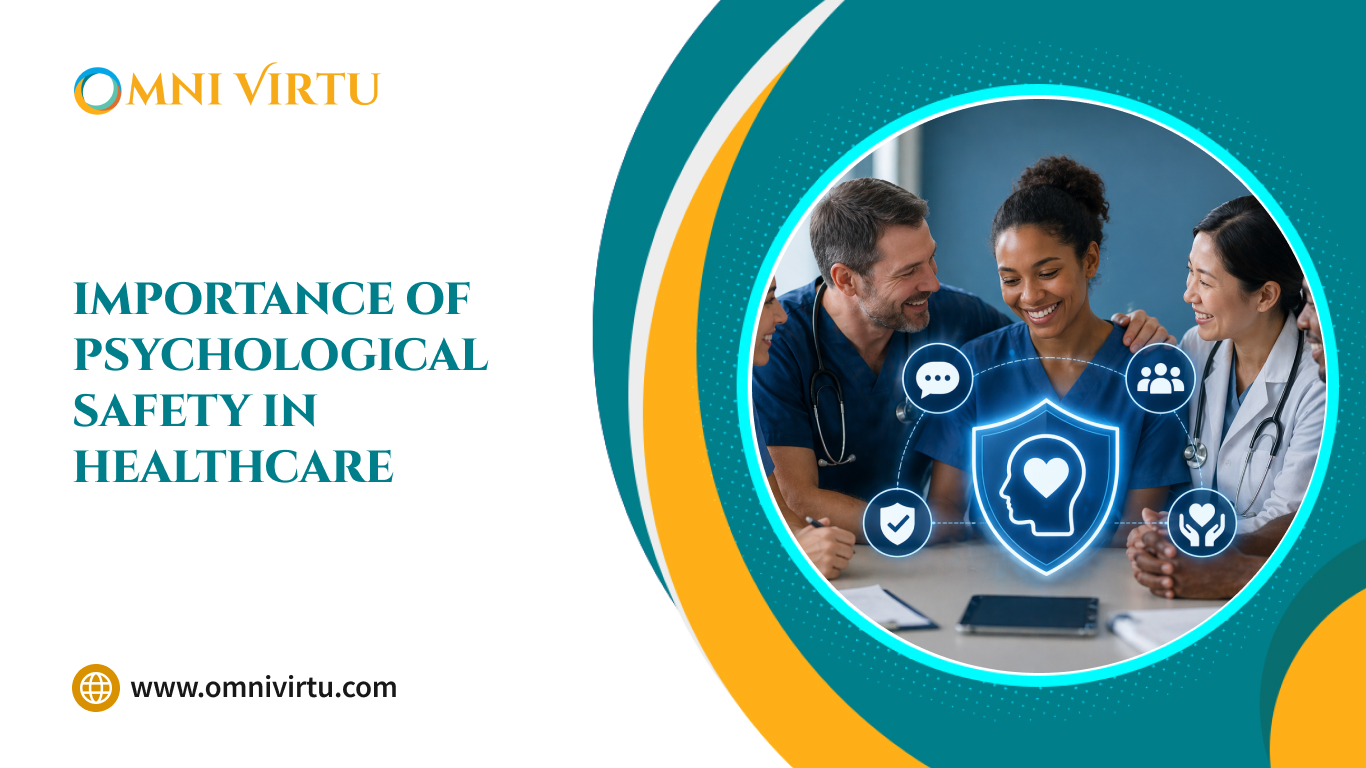
Psychological safety is a foundational element of High Reliability Organization principles in healthcare. It refers to creating an environment where healthcare professionals feel comfortable reporting errors, raising concerns, and discussing risks without fear of punishment or blame.
A strong safety culture increases incident reporting rates, improves transparency, and supports continuous learning across clinical teams.
Building Trust and Open Communication
Trust is developed through consistent organizational behavior that supports fairness and accountability. Healthcare organizations must encourage open communication channels where staff can share safety concerns during daily huddles, multidisciplinary meetings, and structured reporting systems.
Clear communication frameworks reduce misunderstandings and improve coordination between departments, especially in high-pressure clinical environments.
Integrating HRO Principles into Daily Healthcare Operations
Applying Sensitivity to Operations in Real-Time Care
Healthcare teams implement sensitivity to operations by continuously monitoring patient conditions, workflow interruptions, and system performance indicators. Real-time dashboards, bedside communication tools, and shift handover protocols support this awareness.
Using Reluctance to Simplify in Clinical Analysis
Clinical teams apply reluctance to simplify when reviewing adverse events or near misses. Root cause analysis processes are expanded to include system-level evaluation rather than focusing on individual performance. This approach leads to more accurate identification of healthcare system failures.
Strengthening Preoccupation with Failure in Hospitals
Preoccupation with failure is implemented through structured near-miss reporting systems, safety audits, and continuous monitoring of risk indicators. Healthcare organizations treat small deviations as early warning signals that require immediate attention.
Implementing Deference to Expertise in Care Delivery
Healthcare systems support deference to expertise by encouraging collaborative decision-making models. Frontline staff input is prioritized during emergency response situations, surgical planning, and patient escalation processes.
Developing Resilience in Healthcare Workflows
Resilience is strengthened through emergency preparedness training, simulation exercises, and contingency planning. Healthcare teams are trained to adapt quickly during unexpected events such as patient surges or system disruptions.
Strengthening Communication Systems in Healthcare Settings
Importance of Structured Communication in HRO Healthcare
Communication failures are a major cause of medical errors. High Reliability Organizations address this by standardizing how information is shared across teams and shifts.
Improving Handoffs and Clinical Coordination
Standardized handoff procedures ensure accurate transfer of patient information between healthcare providers. This reduces the risk of miscommunication and improves continuity of care.
Interdisciplinary communication models allow different clinical specialists to collaborate effectively during patient treatment planning.
Data Driven Approaches to Healthcare Safety Management
Role of Data in High Reliability Healthcare Systems
Data plays a critical role in supporting High Reliability Organization principles in healthcare. Safety metrics provide insights into system performance and highlight areas of improvement.
Key Healthcare Safety Metrics
Healthcare organizations track infection rates, medication errors, patient falls, surgical complications, and response times to clinical emergencies. These metrics are monitored continuously to identify emerging risks.
Using Data for Continuous Improvement
Data is used to identify trends, evaluate interventions, and guide decision-making. Healthcare organizations create feedback loops that ensure insights from data lead to actionable improvements in clinical practice.
Training and Simulation in High Reliability Healthcare Systems
Importance of Continuous Healthcare Training
Continuous training ensures that healthcare professionals remain updated on safety protocols, clinical procedures, and emergency response techniques. Training programs reinforce High Reliability Organization principles across all levels of staff.
Simulation-Based Learning for Healthcare Teams
Simulation training provides realistic clinical scenarios that allow healthcare teams to practice decision-making under pressure. These exercises improve coordination, communication, and response accuracy during real-life emergencies.
Human factors training also helps healthcare professionals understand how fatigue, workload, and cognitive overload impact performance.
Continuous Improvement in Healthcare Organizations
Building a Continuous Learning Culture
High Reliability Organizations rely on continuous improvement cycles where healthcare systems regularly evaluate performance and refine processes. Every incident or near miss is treated as a learning opportunity.
The Improvement Cycle in Healthcare Systems
The continuous improvement cycle includes risk identification, root cause analysis, implementation of corrective actions, outcome measurement, and process refinement. This cycle ensures ongoing enhancement of patient safety systems.
Overcoming Challenges in HRO Implementation
Common Barriers in Healthcare Transformation
Healthcare organizations often face resistance to cultural change, inconsistent leadership engagement, and limited staff participation due to workload pressures. Data fragmentation across systems also creates challenges in maintaining visibility of safety performance.
Addressing Resistance to Change
Successful implementation requires strong change management strategies, consistent communication, and leadership reinforcement. Staff engagement improves when healthcare professionals see visible improvements in safety outcomes.
Measuring Success in High Reliability Healthcare Implementation
Key Performance Indicators for HRO Healthcare Systems
Success is measured through patient safety outcomes, reduction in adverse events, increased reporting of near misses, and improved compliance with safety protocols.
Cultural Indicators of High Reliability
Cultural assessments evaluate staff perceptions of safety, communication effectiveness, and leadership support. Positive cultural shifts indicate long-term sustainability of HRO principles.
Conclusion on Implementing HRO Principles in Healthcare
Implementing High Reliability Organization principles in healthcare requires a comprehensive transformation that integrates leadership commitment, safety culture, operational awareness, communication systems, and continuous improvement practices. Healthcare organizations that successfully adopt these principles create environments where patient safety is proactively managed, risks are identified early, and clinical teams operate with shared accountability.
Sustainable implementation depends on embedding these principles into daily workflows rather than treating them as isolated initiatives. Over time, healthcare systems that adopt High Reliability Organization practices achieve stronger patient outcomes, improved operational stability, and a safer environment for both patients and healthcare professionals supported by Omnivirtu.